Starting a Grazing Business in 2026: The Ultimate Guide & FAQ
The Art of the Graze: A Masterclass in Building Your Edible Art Business
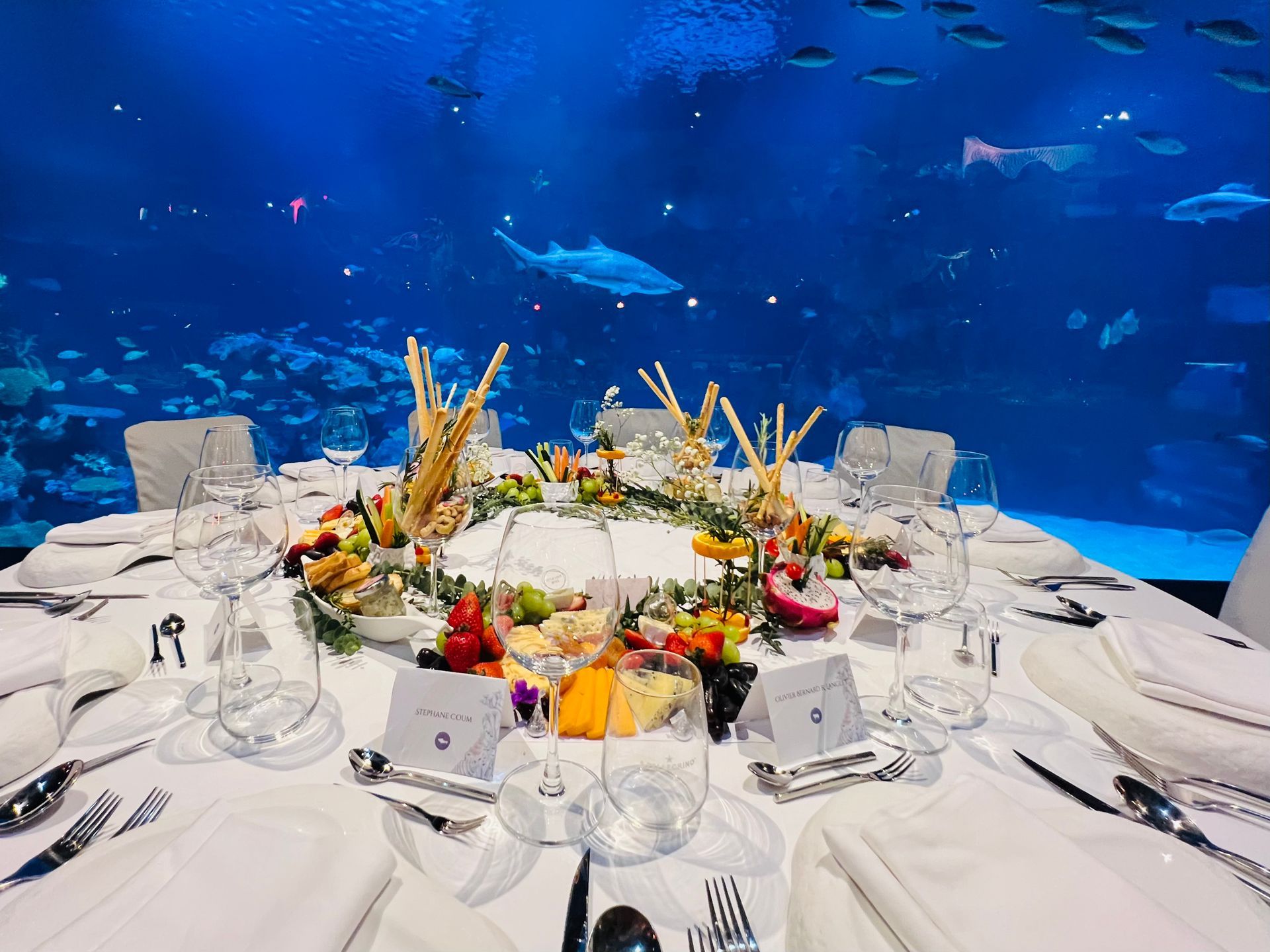
Planning an event is a journey of a thousand details. To help you navigate the world of edible art, we’ve curated these "Love Bites" of wisdom. Whether you're a budding entrepreneur or a community host, use this guide to master the logistics of professional grazing.
1. The Foundation: Ordering & Customization
Success in the food business begins with clear boundaries and a creative edge.
- Lead Times: Professionalism requires planning. Require 3 days' notice for standard boxes and 2–4 weeks for large-scale grazing tables.
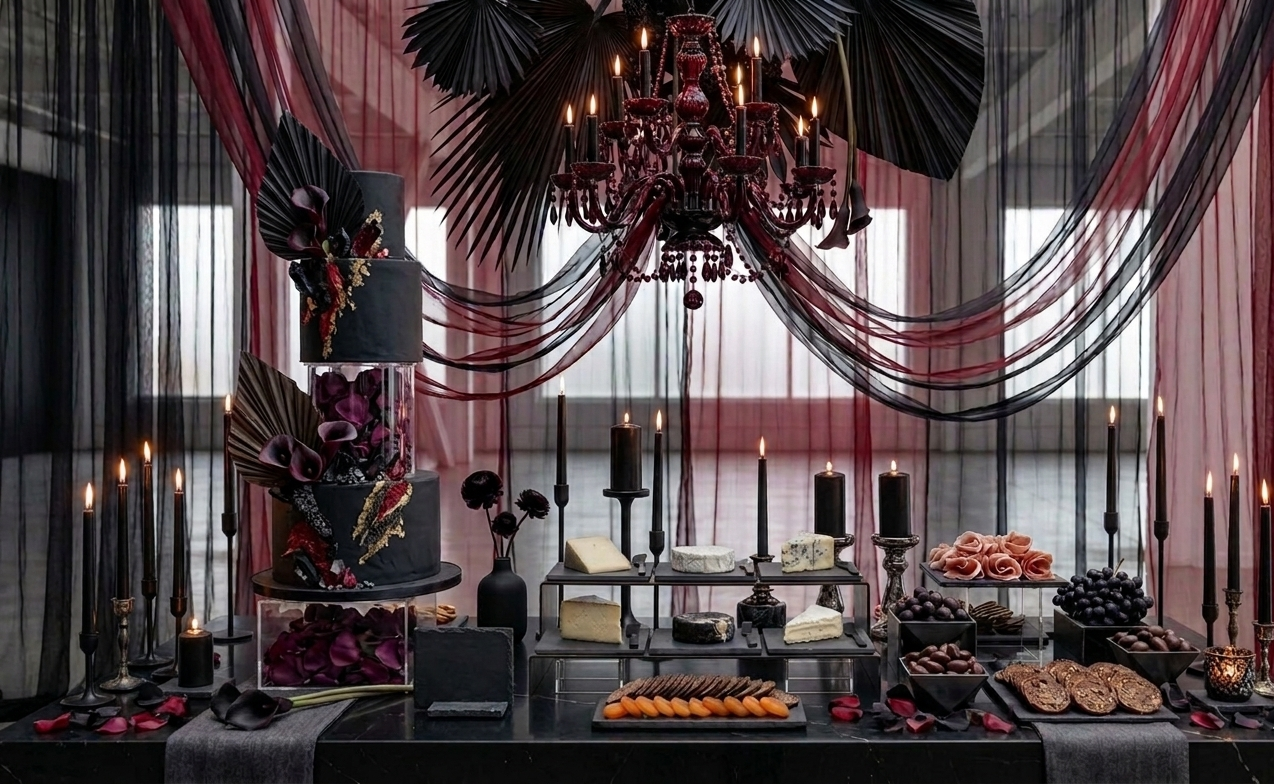
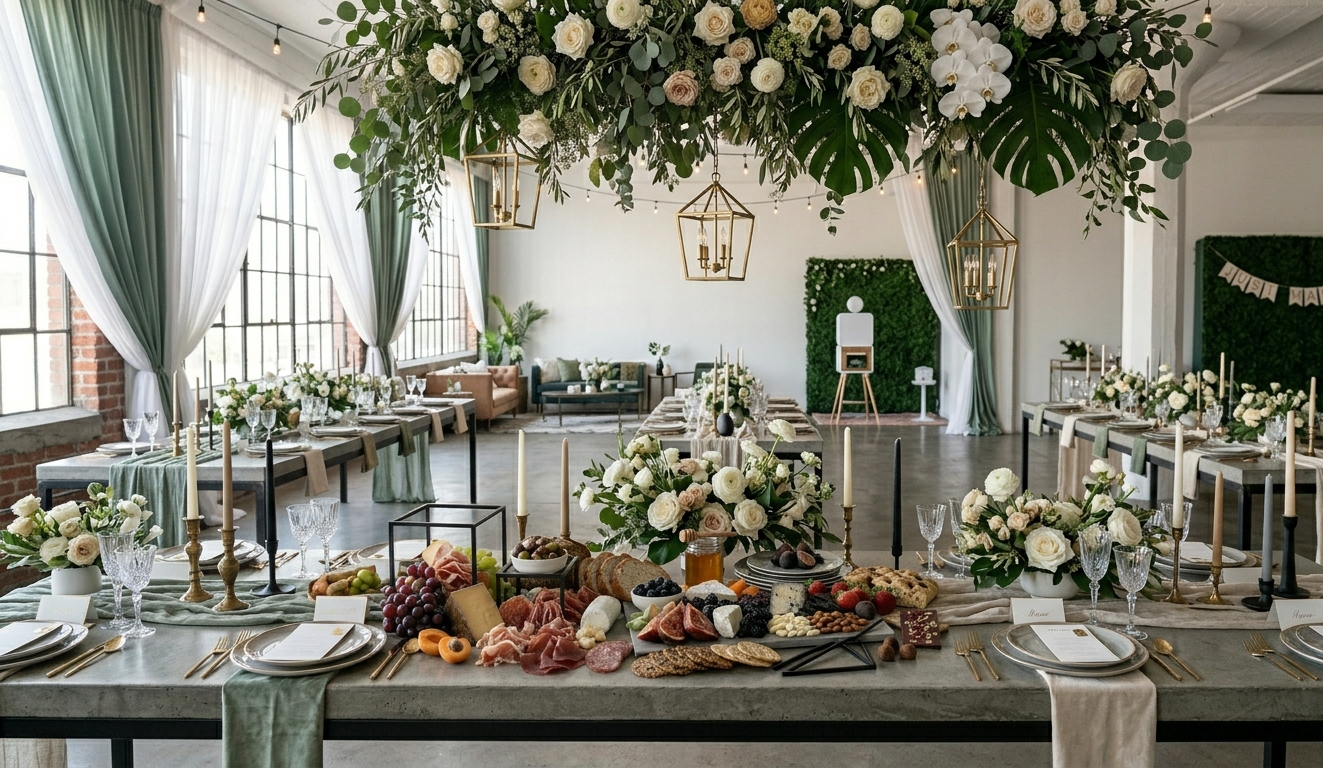
- The Bespoke Edge: Stand out by offering custom themes. Whether it’s matching a wedding color palette or a specific "vibe," customization turns food into a personalized experience.
- Flexibility: While rules are important, keeping a small window for last-minute "emergency" boxes builds immense community loyalty.
2. The Blueprint: Portions & Planning
Avoid the two biggest event mistakes: too much waste or not enough food. Using grams ensures precision and cost-control.
- Portion Math: * Appetizers: 85–140g per person. Main Meals: 225–285g per person.
- Aesthetic Styles: * Flat Lay: Minimalist and modern, built directly on food-grade paper.
- Multi-Dimensional: Dramatic and high-impact, using tiered stands and crates to create height.
3. The Essentials: Food Safety & Hygiene
In this industry, safety is the highest form of love.
- The 25°C Rule: Never set up outdoors in direct sunlight. If the weather exceeds 25°C, an indoor backup with climate control is a necessity to protect the integrity of the cheese.
- The Consumption Window: For peak flavor and safety, charcuterie is best enjoyed within 2–4 hours.
- Allergy Advocacy: Treat dietary requirements (Gluten-Free, Nut-Free, etc.) with extreme care. Use separate tools and sanitization to minimize cross-contamination risks.
4. The Business Pillars: Legal & Sourcing
The "behind-the-scenes" work is what makes your business sustainable and scalable.
- Compliance: Ensure you operate out of a licensed commercial kitchen and carry comprehensive liability insurance. Professionalism starts with being protected.
- Supply Strategy: Move from retail to wholesale. Building relationships with local creameries and distributors ensures better margins and fresher ingredients.
- Sustainability: In 2026, clients value eco-conscious choices. Utilize compostable packaging and bamboo cutlery to align your brand with modern values.
5. The Logistics: Delivery & Equipment
How you deliver is just as important as what you deliver.
- Climate Control: Always transport your creations in a climate-controlled vehicle. A delivery fee isn't just a cost, it’s an investment in the food’s freshness.
- Inventory Management: For styled tables, implement a 48-hour return policy for your props and boards to keep your business running smoothly.
6. The Backend: Secure Growth
A professional business needs a professional digital home.
- Encrypted Payments: Protect your community by using SSL-encrypted gateways for all digital transactions.
- Consultation over Transactions: For large-scale events, prioritize a consultation form over a generic checkout. This allows for the "human touch" that bespoke events require.
- Visual Portfolio: Your social media is your storefront. Capture high-quality "Hero" shots of every setup to build a digital gallery that sells for you.
Frequently Asked Questions (FAQ)
How do I handle "No-Shows" or Cancellations? Implement a non-refundable retainer (typically 25–50%) to secure a date. This covers your administrative time and initial ingredient sourcing if the client backs out.
What if the venue has difficult access (e.g., no elevator)? Always ask about the setup floor and parking distance during the consultation. Large grazing kits are heavy; it is standard to include a "Difficult Access" fee for setups requiring significant manual hauling.
How do I price my grazing tables? Pricing should reflect more than just the food. Factor in your labor (prep + setup time), transport costs, and a portion of your overhead (insurance/licensing). Many pros use a "per-meter" rate for tables or a "per-head" rate with a minimum guest count.
Ready to turn your passion into an unforgettable experience? Consult with Naomi | Book Your Event